

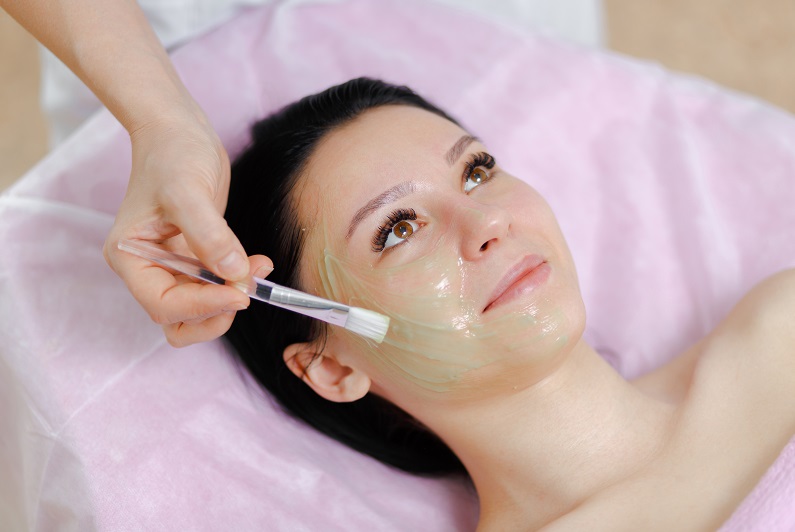
A chemical peel can provide your skin with several benefits. From improving the skin’s colour, clarity, and skin tone to reducing discoloration caused by sun damage, chemical peels can do all these.
A chemical peel uses a chemical solution to remove skin layers, revealing more youthful skin. It can help reduce or improve fine lines and wrinkles, acne, scars, uneven skin color, and other skin imperfections. Different chemicals determine the depth of the peel and the type of skin condition being treated.
What is a Chemical Peel?
A chemical peel is a cosmetic procedure that applies an acid solution to the skin, causing the top damaged layers to peel off. It exfoliates the skin to improve texture, reduce wrinkles, and treat scars or pigmentation, revealing smoother, younger-looking skin beneath. They are typically performed on the face, neck, or hands.
They are also known as chemexfoliation or derma peeling. The chemical solution applied to the skin causes trauma or injury to the skin’s layers. The layers eventually peel off, revealing more youthful skin.
Are Chemical Peels Painful?
They can be rarely or mildly painful, but the pain is usually tolerable.
Chemical peels are one of the most popular procedures to achieve youthful skin and deal with the ageing signs like fine lines and wrinkles.
In certain skin types, there is a risk of a temporary or permanent change in the colour of the skin, but it is often rare. Discussing with the professional might help.
What are the Benefits of Chemical Peels?
Chemical peels have aesthetic as well as medical benefits.
Aesthetic Benefits
- By removing dead skin cells and debris, peels reveal a brighter, more refined complexion with a noticeable “glow”.
- They effectively treat sun spots, age spots, freckles, and melasma by exfoliating pigmented surface cells.
- Removing buildup and excess oil can make enlarged pores appear smaller and clearer.
- Peels stimulate the production of collagen and elastin, which helps firm the skin and smooth out fine lines, especially around the eyes and mouth.
Medical and Corrective Benefits
- Peels like salicylic acid penetrate deep into pores to dissolve oil, clear blockages, and reduce inflammation, and thus, it can promote acne control.
- Medium and deep peels can significantly diminish the appearance of mild to moderate acne scars by promoting new skin growth.
- Deep peels can remove actinic keratoses, rough, scaly patches caused by sun damage, reducing the long-term risk of skin cancer.
- For men, regular exfoliation from peels prevents hair follicles from clogging, reducing painful ingrown hairs from shaving.
Now, let us learn the risks of getting chemical peels because you need to be aware of them from the beginning.
Risks of Chemical Peels
Here are the risks associated with chemical peels, but do consider that they can differ according to different skin types, aftercare, or intensity of the peels:
- Redness, swelling, and stinging are standard responses. Redness may last only a few days after superficial peels but can persist for months after deep treatments.
- Peeling and flaking can be expected 1 to 7 days post-treatment as damaged layers shed.
- Increased sensitivity to sunlight and topical products is a common experience for some time after the treatment.
- Darkening of the skin is more common in individuals with darker skin tones.
These individuals need to discuss with a specialist before getting chemical peels:
- Anyone with cold sores, bacterial infections, or open acne lesions, as the peel can spread the infection.
- For those with eczema, psoriasis, or rosacea, the treatment can significantly exacerbate these conditions.
- Individuals prone to keloid formation or hypertrophic scars.
- People with uncontrolled diabetes, autoimmune diseases (like lupus), or those suffering from malnutrition.
- Patients with a history of skin cancer or currently undergoing treatment.
- Anyone who has taken isotretinoin within the last 6–12 months, as it increases the risk of scarring and poor healing.
- Individuals taking medications that increase sensitivity to sunlight, such as certain antibiotics, antihistamines, or chemotherapy drugs.
People who are ideal for chemical peels:
- People with dull skin, uneven tone, fine wrinkles, rough texture, acne-prone skin, or sun-damaged skin.
- While often ideal for lighter skin types, deeper skin tones can be safely treated with appropriate, superficial peels, such as those using lactic or salicylic acid.
- Those seeking to accelerate skin exfoliation and stimulate collagen production for a more refreshed, youthful look can use chemical peels.
If you are looking forward to getting expert advice or professional guidance on the treatment, you can look for chemical peel in Kanpur. Professionals can guide you through the treatment, discuss benefits and risks, and check if you are an ideal candidate for the procedure.

