


Key Takeaways:
- Self-checkout systems are transforming retail by offering convenience and efficiency.
- Retailers are implementing innovative solutions to address challenges like theft and customer dissatisfaction.
- Technological advancements, including AI and automation, are enhancing the self-checkout experience.
Retailers across the globe are experiencing a dramatic transformation, driven by customer demand for speed and autonomy at checkout. Self-checkout technology, once novel, is quickly becoming the cornerstone of modern retail environments.
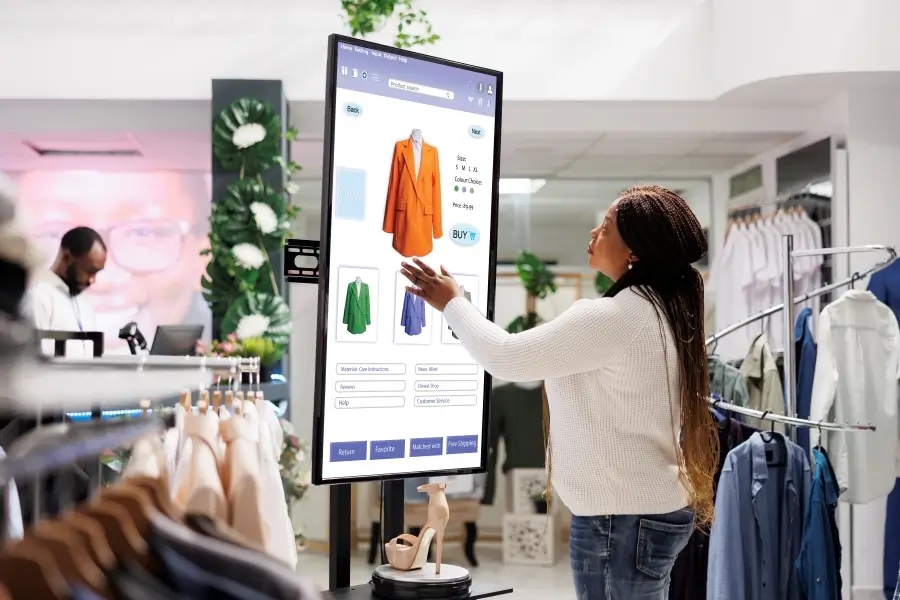
By integrating solutions such as the self service machine, stores are streamlining checkout processes, minimizing wait times, and empowering shoppers to control their purchasing experience.
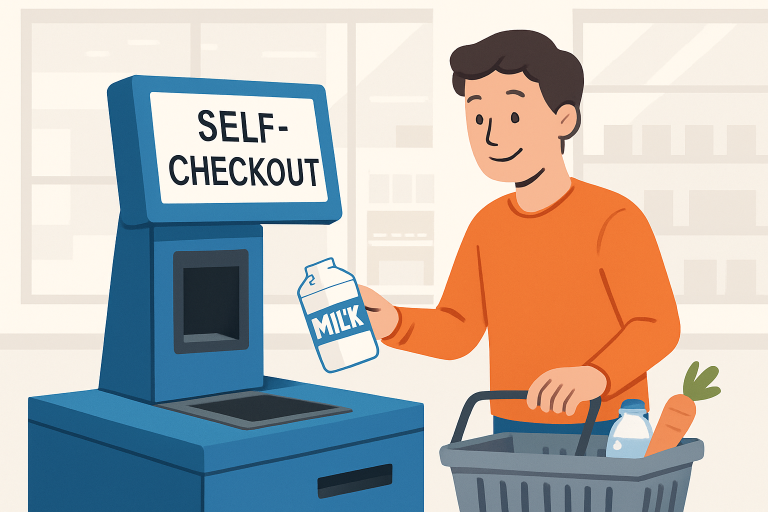
As retail technology advances, self-checkout systems have emerged as a key feature, enabling consumers to manage transactions independently and enhancing efficiency for both shoppers and store operators.
This trend is particularly prevalent in supermarkets, convenience stores, and large retailers, where reducing reliance on cashiers not only saves costs but also aligns with the evolving preferences of younger consumers, who favor digital interactions and expedited purchasing processes.
Nevertheless, implementing self-checkout comes with operational challenges, including concerns about security, customer service, and workflow integration. While retailers recognize the need to address shoppers’ varying comfort levels with this technology, they must also address issues such as theft and user errors that can hinder the customer experience.
Striking a balance between leveraging technological advancements and accommodating diverse customer needs is crucial for sustained success in the retail industry.
The Rise of Self-Checkout Systems
The integration of self-checkout technology has significantly accelerated, with over 217,000 terminals shipped globally in 2023, reflecting double-digit growth from the previous year.
The United States leads this trend, as major grocery and retail chains are implementing self-checkouts to increase transaction speeds and reduce staffing costs. Today’s consumers increasingly favor the autonomy of scanning their own items, with over 70% having used self-checkout at least once, indicating its mainstream acceptance.
Retailers are now extending self-checkout implementations across diverse environments, including convenience stores and large supermarkets, to improve labor management and operational efficiency amid high turnover and wage pressures.
However, the deployment of self-checkout is not uniform; retailers must adapt strategies to different store formats, customer behaviors, and industry requirements, balancing between attendant oversight and automated systems to ensure optimal operation and customer experience.
Challenges in Self-Checkout Implementation
Despite the many advantages of self-checkout, retailers face real challenges in rolling out these systems. A significant issue is loss prevention.
Studies reveal that nearly 27% of self-checkout users have admitted to deliberately skipping scans or exploiting system weaknesses, a trend exacerbated by rising inflation and food prices.
Operational inefficiencies can also impede the customer experience. Machine malfunctions, barcode scanning difficulties, or confusion with produce weighing can cause delays. These disruptions often lead to customer dissatisfaction, especially among those less familiar with technology.
Furthermore, the need for frequent staff intervention can erode some of the labor-cost savings that self-checkout systems are designed to deliver.
Another challenge is maintaining a positive relationship with all customer segments. While many shoppers appreciate self-checkout for its speed, others, including older customers and those with disabilities, may struggle with the interface.
If left unaddressed, these pain points can negatively impact customer loyalty and store reputation. Retailers are tasked with designing systems that are easy for everyone to use, while balancing efficiency with necessary human oversight.
Finally, some store environments may be more prone to bottlenecks or require more supervision, forcing retailers to rethink deployment strategies and staff allocation to minimize theft and technical issues.
Technological Advancements Enhancing Self-Checkout
Retailers that have embraced self-checkout are increasingly turning to innovative technologies to overcome challenges. AI-powered systems are among the most promising solutions, as they can monitor transactions in real time and detect theft or unintentional scanning errors instantly.
In fact, industry reports indicate that nearly half of retailers plan to implement AI-driven loss-prevention tools in the next year, highlighting the growing importance of automation and intelligent analytics in modern retail.
One example is the deployment of computer vision technology, which uses cameras and sophisticated algorithms to monitor shopper activities and verify that all items are scanned correctly.
Weis Markets recently introduced AI-enhanced self-checkout systems that can quickly identify produce and trigger alerts for suspicious activity, reducing losses without sacrificing customer convenience. These advancements enable risk controls to be customized and improve the store experience for all customers.
Additional innovations include improved touchscreen interfaces, automated SKU recognition, and remote assistance capabilities, all aimed at streamlining processes for both shoppers and employees. As these systems are refined, they promise shorter wait times, fewer errors, and enhanced safety and accuracy.
How Retailers Are Adapting Their Strategies
The rise of self-checkout has prompted retailers to adopt new approaches to maintain customer satisfaction and minimize losses. Some leading grocery chains are experimenting with selective restrictions, such as limiting self-checkout use to smaller transactions.
Target, for example, implemented a policy allowing self-checkout only for purchases of ten items or fewer, a move designed to curb theft and optimize traffic flow.
Other retailers have opted to remove self-checkout lanes altogether in certain locations, focusing instead on refining traditional checkout and store technologies. These strategic adjustments are informed by careful analysis of transaction data, customer feedback, and loss prevention metrics. Such efforts demonstrate the importance of agility and continuous improvement in the face of evolving retail challenges.
Additionally, retailers are investing in staff training and customer engagement to support successful self-checkout adoption. Employees play a critical role in assisting shoppers and monitoring potential issues, providing a human touch that builds trust and enhances the overall experience. Ultimately, success depends on striking a balance between innovation and practical, shopper-friendly implementation.
The Future of Self-Checkout in Retail
Looking ahead, the future of self-checkout will be shaped by continued adoption of advanced technology and a focus on seamless, secure shopping experiences. Innovations such as AI-driven fraud detection for checkout, biometric authentication, and personalized offers are already being piloted worldwide.
As technology matures, retailers will have the tools to proactively reduce shrinkage, spot suspicious patterns, and optimize checkout flows without sacrificing speed or convenience. Enhanced real-time analytics and edge-based security solutions will further empower merchants to serve customers better while keeping operations safe and efficient.
In this environment, retailers who stay agile and embrace smart self-checkout solutions will gain a competitive edge, leading to stronger brand loyalty and satisfaction in a rapidly changing marketplace.
Conclusion
Self-checkout technology represents a major shift in the retail landscape. By delivering improved efficiency, convenience, and cost savings, these systems are revolutionizing how customers shop and how stores operate.
Yet real challenges remain, from minimizing theft to ensuring shopper satisfaction across a diverse population. Retailers who invest in technology and refine their strategies will be best positioned to unlock the full potential of self-checkout, meeting both operational needs and customer expectations for the future.